 Nations Unies
Banjul, The Gambia | 3–5 and 9–11 November 2026
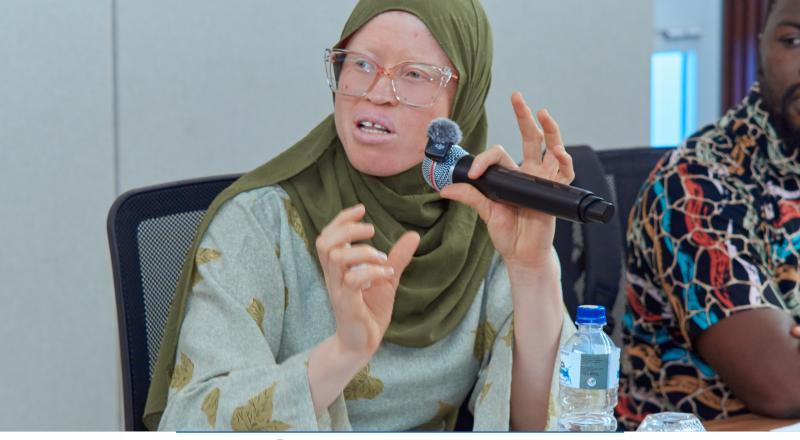
Protecting personal data and accessing public information are not technical privileges but fundamental human rights. To help people claim them, the UN Human Rights Office (OHCHR) and the Information Commission of The Gambia trained 43 civil society actors, including 24 women, from media, youth, disability and human rights organizations, to understand, use and defend these rights.
The two-phase capacity-building programme took place in Banjul under the Public Accountability Project, funded by the United Nations Peacebuilding Fund (PBF). It brought together participants from media institutions, civil society organizations, youth groups, organizations of persons with disabilities and human rights networks from across the country. Women made up more than half of the group, reflecting a commitment to inclusive participation in public life.
The training aimed to strengthen understanding of national and international standards on data protection, the right to privacy and access to information, as well as the complaint and reporting mechanisms available to rights-holders. Participants examined the Access to Information Act and the Personal Data Protection and Privacy Act, and discussed the rights of data subjects, the role of consent, data breach management and the protection of human rights defenders. Emphasis was placed on how individuals and civil society organizations can translate these legal protections into practical action, including requesting public information and seeking remedies when their rights are violated.
Opening the discussions, the Vice Chairperson of the Information Commission, John Charles Njie, stressed the essential role of journalists, human rights defenders and civil society organizations in promoting transparency, accountability and informed citizen participation. He encouraged participants to become ambassadors for these rights in their communities.
The sessions followed a participatory, rights-based approach that combined technical presentations with case studies, practical exercises, group work and open discussions. This interactive format allowed participants to share their own experiences, analyze real-life scenarios and identify practical solutions to the obstacles they face in obtaining information, protecting privacy and holding institutions to account. Beyond strengthening legal knowledge, the exchanges provided an opportunity to explore practical barriers to exercising these rights and ways to address them.
In their vote of thanks, participants expressed appreciation to OHCHR and the Information Commission for creating an inclusive space for learning and dialogue. They said the training had significantly improved their understanding of data protection and privacy, of their right to access information, and of the procedures for requesting information and filing complaints. They also said they intend to share this knowledge within their institutions and communities. One participant said the training had strengthened their confidence in engaging with public institutions and using existing accountability mechanisms to promote transparency, good governance and human rights protection.
Through this initiative, OHCHR and the Information Commission reaffirmed their commitment to transparency, accountability and respect for human rights. By equipping key stakeholders with the knowledge and tools to safeguard personal data and exercise their right to information, the partnership contributes to building public trust in democratic institutions, a cornerstone of sustainable peace.