 Nations Unies
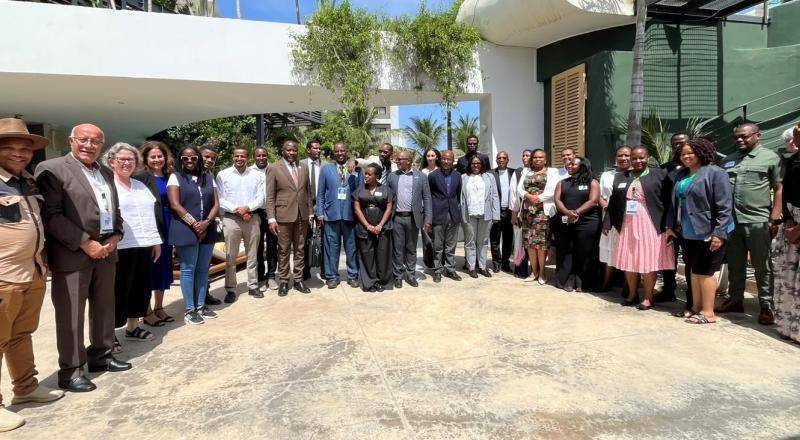
Dakar, Senegal, 20 October 2026 – Participants at a regional workshop on the rights of Indigenous Peoples in Africa proposed that the Government of Botswana host a regional conference in 2027 to mark the twentieth anniversary of the United Nations Declaration on the Rights of Indigenous Peoples (UNDRIP).
The proposal was raised by several participants during the closing remarks of the workshop, held in Dakar from 18 to 20 October, on the margins of the 89th Ordinary Session of the African Commission on Human and Peoples’ Rights (ACHPR). The proposed conference could also provide an opportunity for the President of Botswana to advance his mandate as the African Commission’s Champion for Indigenous Peoples’ Rights, following the Commission’s resolution of July 2026.
The workshop on the Role of National Human Rights Institutions in Promoting and Protecting the Rights of Indigenous Peoples in Africa brought together representatives of National Human Rights Institutions (NHRIs), Indigenous Peoples and regional and international human rights mechanisms to exchange experiences and identify practical ways to strengthen the protection of Indigenous Peoples’ rights across the continent.
It was co-sponsored by the UN Special Rapporteur on the rights of Indigenous Peoples, Dr. Albert Kwokwo Barume; the ACHPR Working Group on Indigenous Populations/Communities and Minorities in Africa; the Network of African National Human Rights Institutions (NANHRI); and the Danish Institute for Human Rights (DIHR).
From international standards to national action
Discussions explored the African regional and international human rights frameworks relating to Indigenous Peoples, including UNDRIP, the African Charter on Human and Peoples’ Rights, and relevant jurisprudence of the African Commission and the African Court on Human and Peoples’ Rights.
“The African Commission’s Working Group on Indigenous Populations/ Communities and Minorities is instrumental in supporting States to advance the rights of Indigenous Peoples. Ensuring that these rights are effectively protected requires sustained regional cooperation, strong national institutions and, above all, listening to Indigenous Peoples and their voices and priorities on the ground.” Dr. Albert Barume, UN Special Rapporteur on the Rights of Indigenous Peoples
Participants examined the recognition of Indigenous Peoples in the African context, their rights to lands, territories and resources, and the importance of implementing relevant human rights recommendations and decisions.
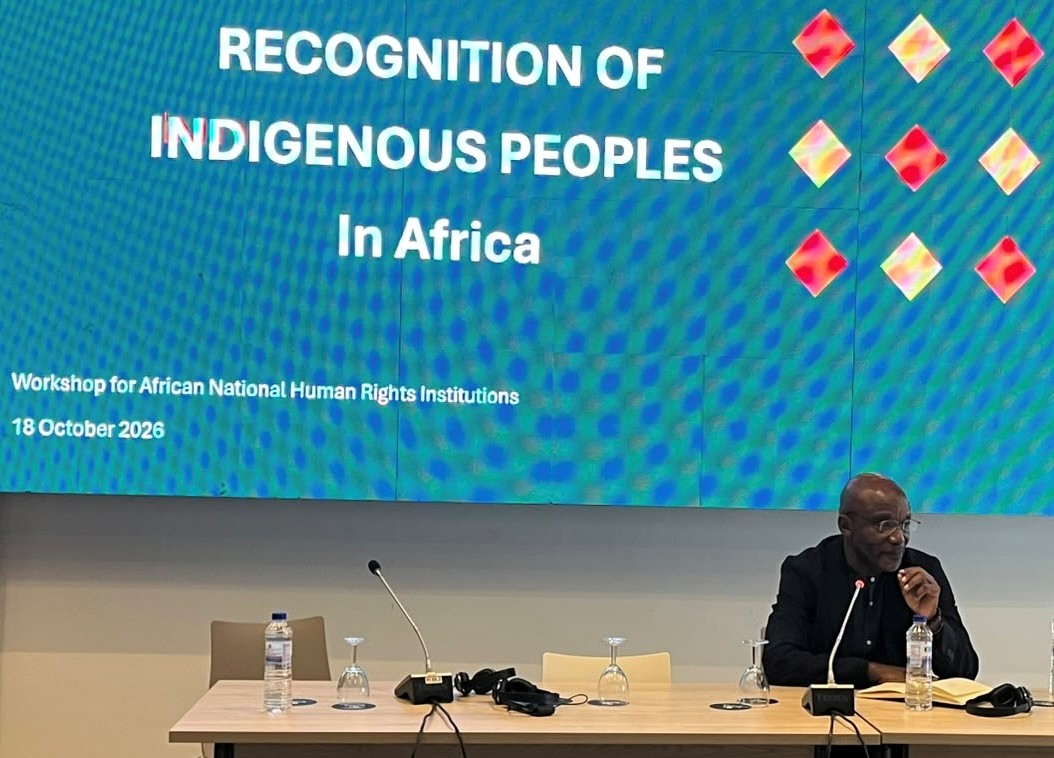
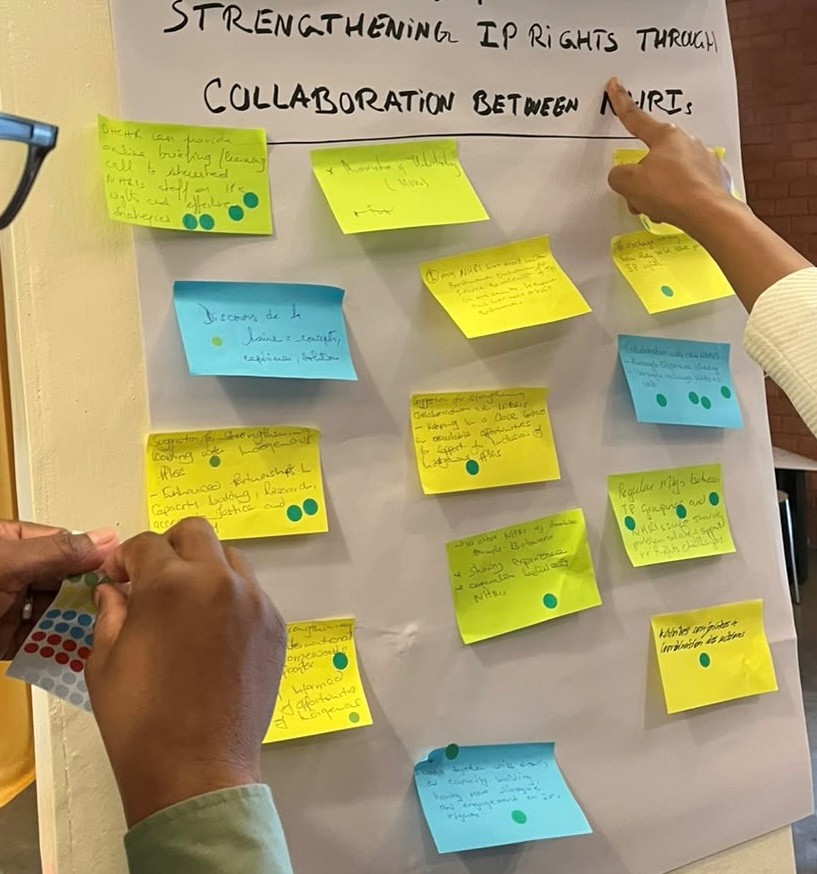
Through country experiences, case studies and group exercises, participants explored how NHRIs can use their mandates and institutional tools to address human rights violations affecting Indigenous Peoples and translate regional and international standards into effective protection at the national level.
The discussions also drew on experiences from Botswana and other African countries, highlighting both progress and continuing challenges in advancing Indigenous Peoples’ rights.
Strengthening dialogue with Indigenous Peoples
A central focus of the workshop was the importance of meaningful dialogue and engagement between NHRIs and Indigenous Peoples and their representative institutions.
Indigenous Peoples’ representatives shared their perspectives on priorities, challenges and opportunities for advancing their rights, contributing to discussions on how national institutions can respond more effectively to their concerns and strengthen the protection of their rights.
Participants also explored opportunities to engage with regional and international human rights mechanisms, including the African Commission, the UN Expert Mechanism on the Rights of Indigenous Peoples, the UN Permanent Forum on Indigenous Issues and the UN Special Rapporteur on the rights of Indigenous Peoples.
Samia Slimane, Indigenous Peoples and Minorities Section, OHCHR:
“National Human Rights Institutions have a crucial responsibility to ensure that international human rights standards translate into concrete action at the national level. Established in 2024, the GANHRI Indigenous Peoples’ Caucus plays an important role in keeping Indigenous Peoples’ rights on the global agenda of NHRIs and actively engaging with international human rights mechanisms. Strengthening the participation of African NHRIs in the Caucus would further amplify Indigenous Peoples’ voices and perspectives across the continent and strengthen the contribution of national institutions to advancing their rights.”
These exchanges highlighted the importance of stronger cooperation between national institutions, Indigenous Peoples’ organizations and regional and international mechanisms to advance the implementation of human rights standards and recommendations.
Botswana’s role in advancing Indigenous Peoples’ rights
The proposal for a regional conference in Botswana was raised by several participants during the workshop’s closing remarks. If taken forward, the conference could bring together governments, NHRIs, Indigenous Peoples’ representatives and regional and international partners to take stock of progress, address continuing challenges and identify priorities for implementing UNDRIP across Africa.
The proposed initiative could also provide an opportunity to build on the role of the President of Botswana as Champion for Indigenous Peoples’ Rights within the African Commission’s framework and to renew regional commitment to the recognition and protection of Indigenous Peoples’ rights.
Adopted by the UN General Assembly in 2007, UNDRIP sets out the individual and collective rights of Indigenous Peoples, including their rights to self-determination, lands, territories and resources, and to participate in decision-making on matters affecting them. Its twentieth anniversary in 2027 offers an important opportunity to reflect on progress in implementing the Declaration and on the measures still needed to ensure that Indigenous Peoples can fully enjoy their rights.
Building partnerships for lasting progress
The workshop brought together representatives of NHRIs and related institutions from Algeria, Botswana, Cameroon, the Democratic Republic of Congo, Egypt, Ethiopia, Kenya, Mali, Namibia, South Africa and Uganda, alongside NANHRI, Indigenous Peoples’ representatives, support organizations and regional and international human rights mechanisms.
The discussions underscored the role NHRIs can play in monitoring human rights, engaging with Indigenous Peoples, addressing discrimination and supporting the implementation of regional and international human rights standards.
The proposal for a regional conference in Botswana offers a potential avenue for carrying this collaboration forward, linking the work of national institutions with broader regional efforts to advance Indigenous Peoples’ rights.
As the twentieth anniversary of UNDRIP approaches, continued cooperation among NHRIs, Indigenous Peoples’ organizations, governments and regional and international human rights mechanisms will be essential to turning the Declaration’s principles into tangible progress for Indigenous Peoples across Africa.